
When a flood cuts the road.
Blood and medicines can still reach the clinic on the other side, flown straight over the water.

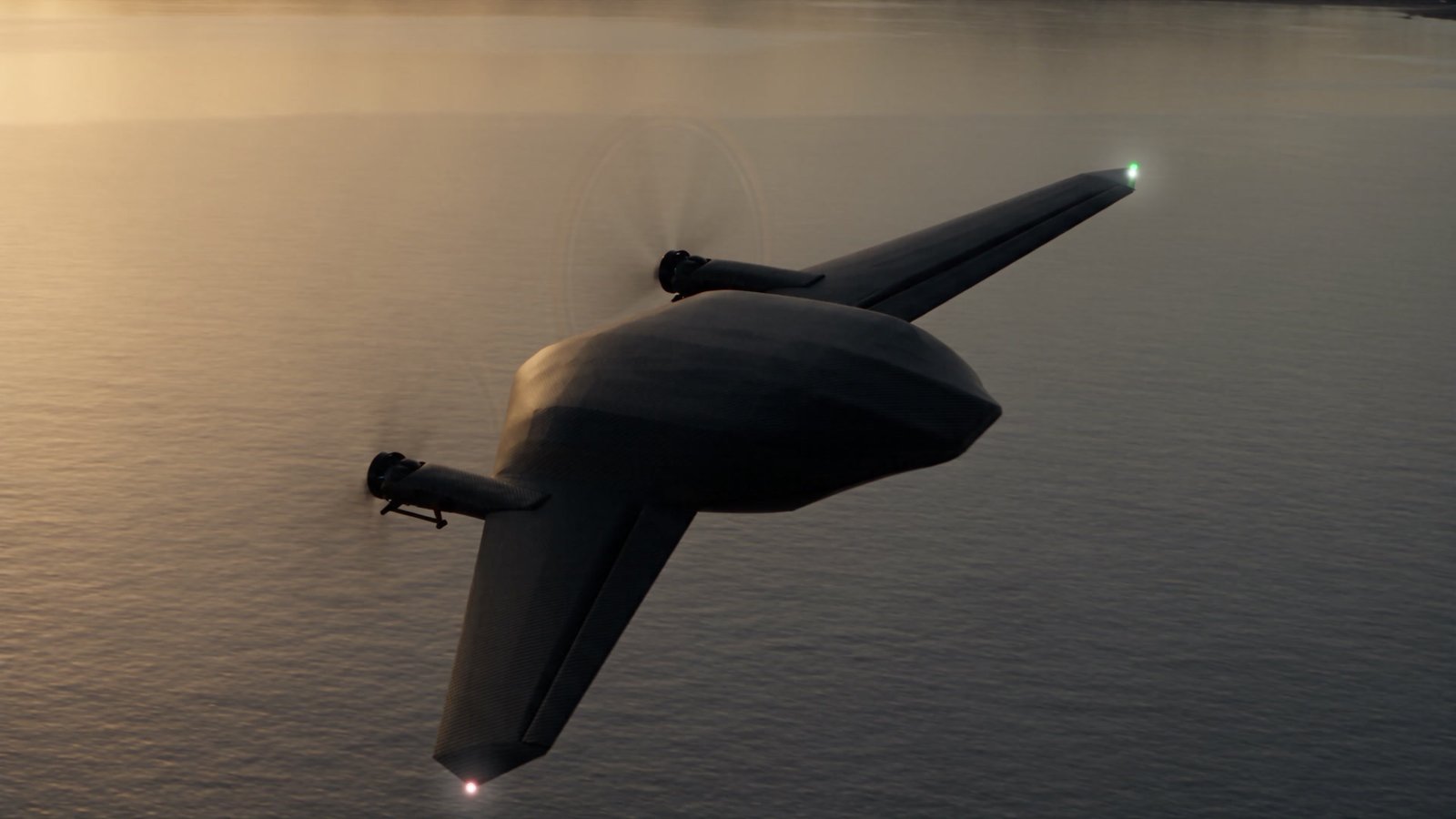
Aerzoom builds and operates autonomous aircraft that carry blood, transplant tissue, diagnostic samples and cold-chain medicines between hospitals, laboratories and clinics.
Aerzoom builds autonomous aircraft that carry blood, organs and urgent medicines between hospitals, straight over the traffic. They take off from a pad the size of a parking space, so care can reach people faster, wherever the road is slow, broken or unsafe.
Aerzoom takes the road out of the route.

NYU Langone Tisch Hospital, Manhattan → NYU Langone Hospital–Brooklyn
Time saved35min
Road: 15.9 km at New York City's 2024 average of 31 min per 10 km, up to 62 min in the evening rush (TomTom Traffic Index 2024). Air: 11.4 km in a straight line at the 37 mph cruise design target, plus take-off and landing. Map data © OpenStreetMap contributors, OpenFreeMap.
It rises straight up like a helicopter, then flies on its wings like a plane.
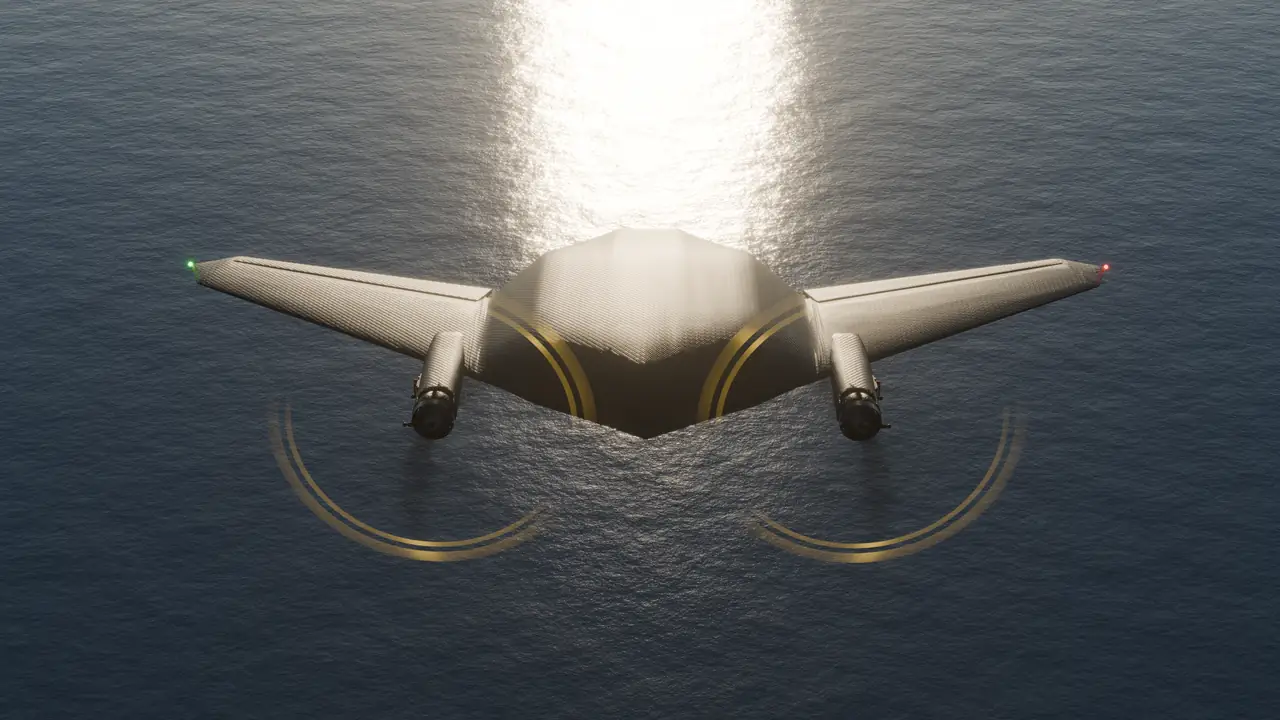
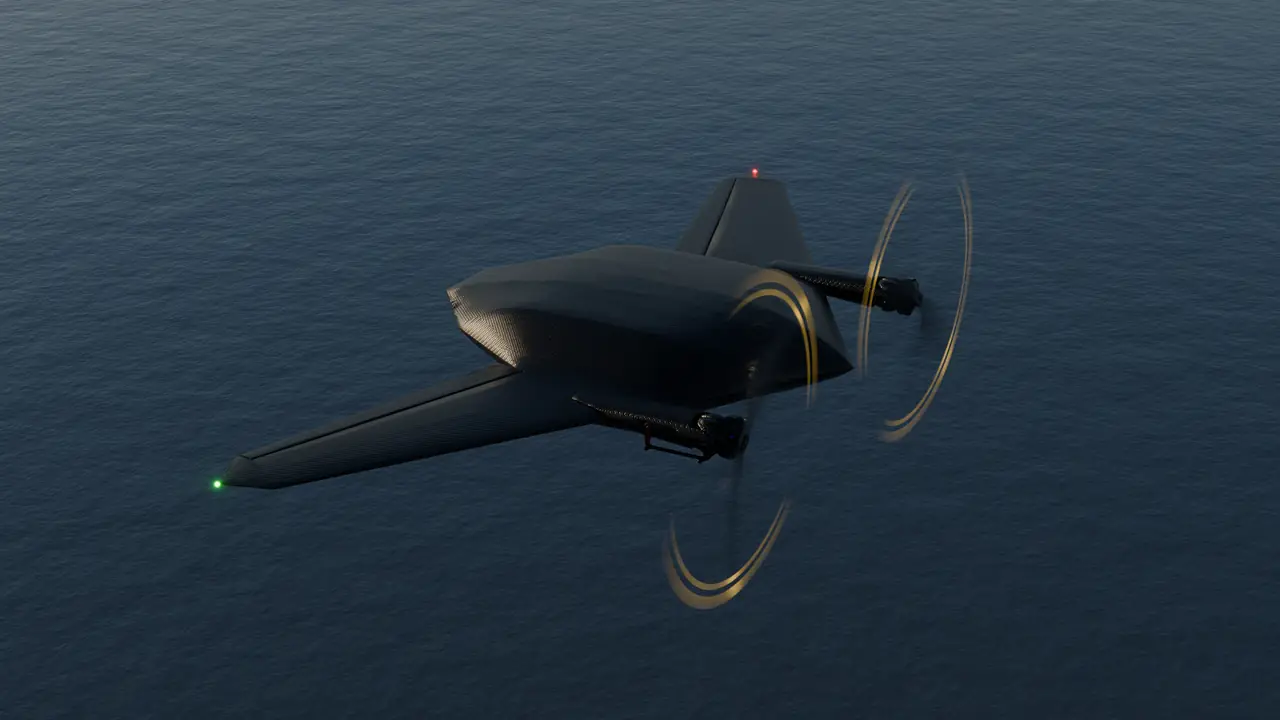
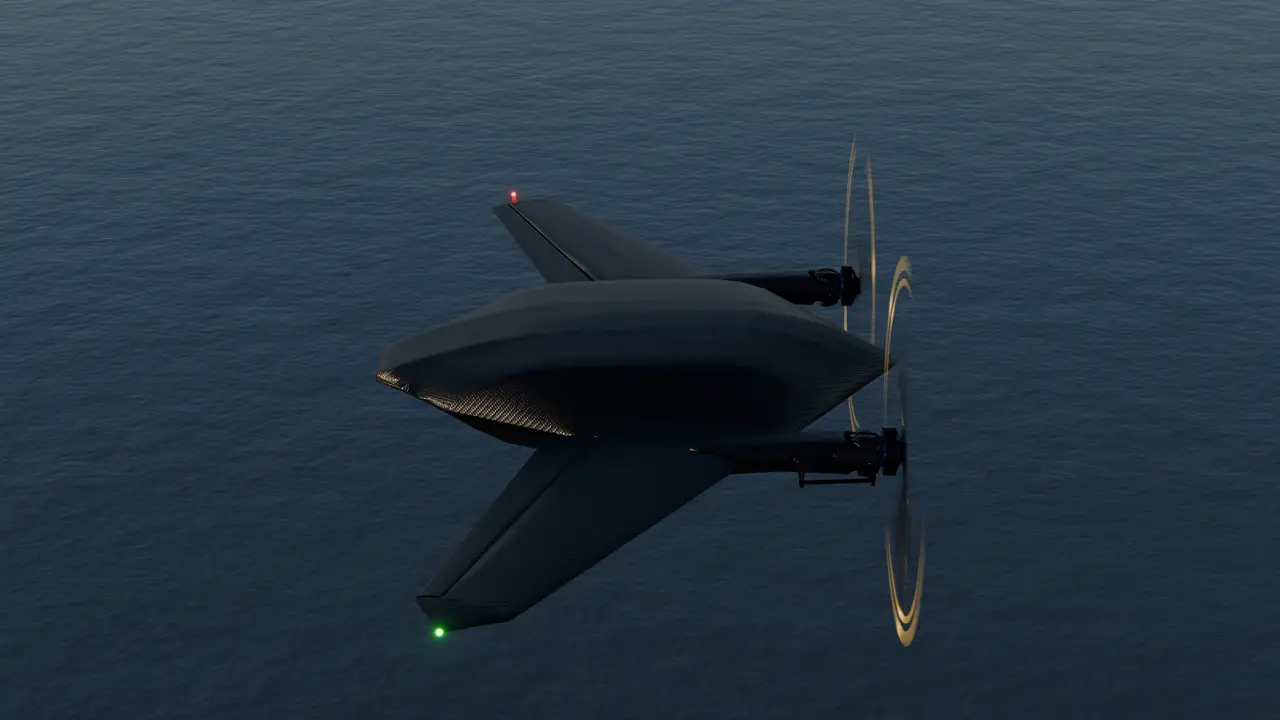
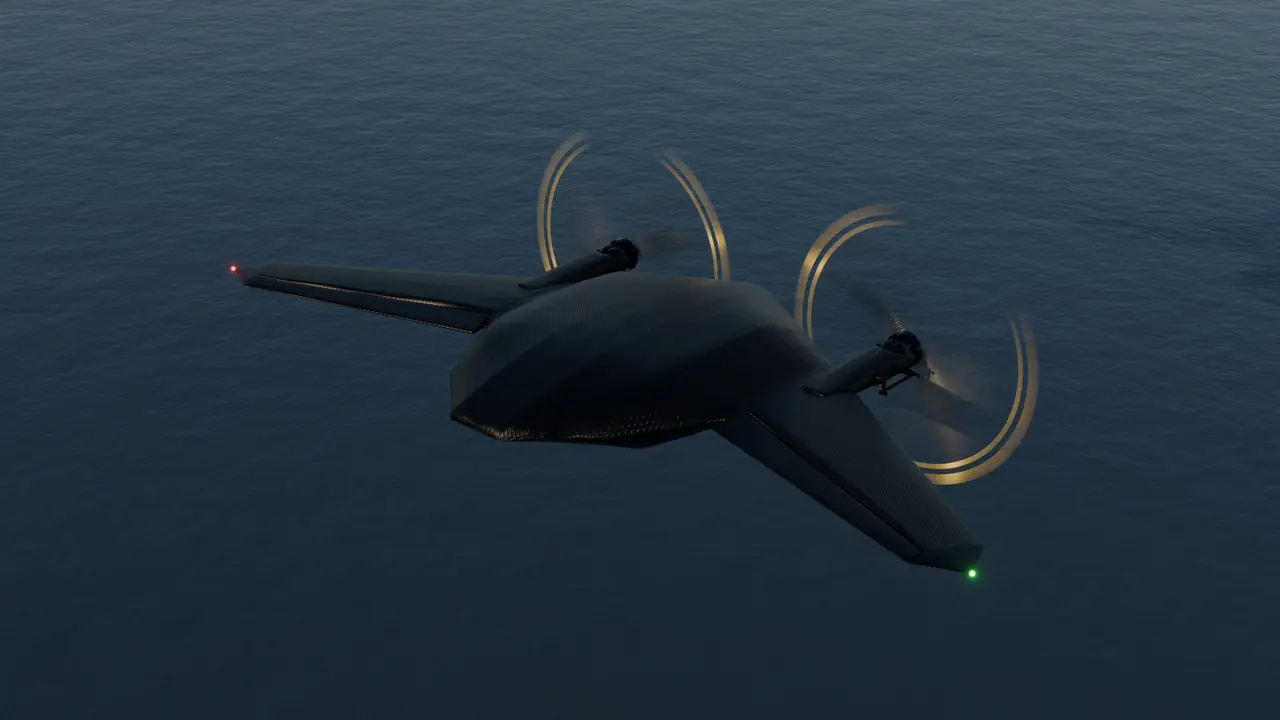
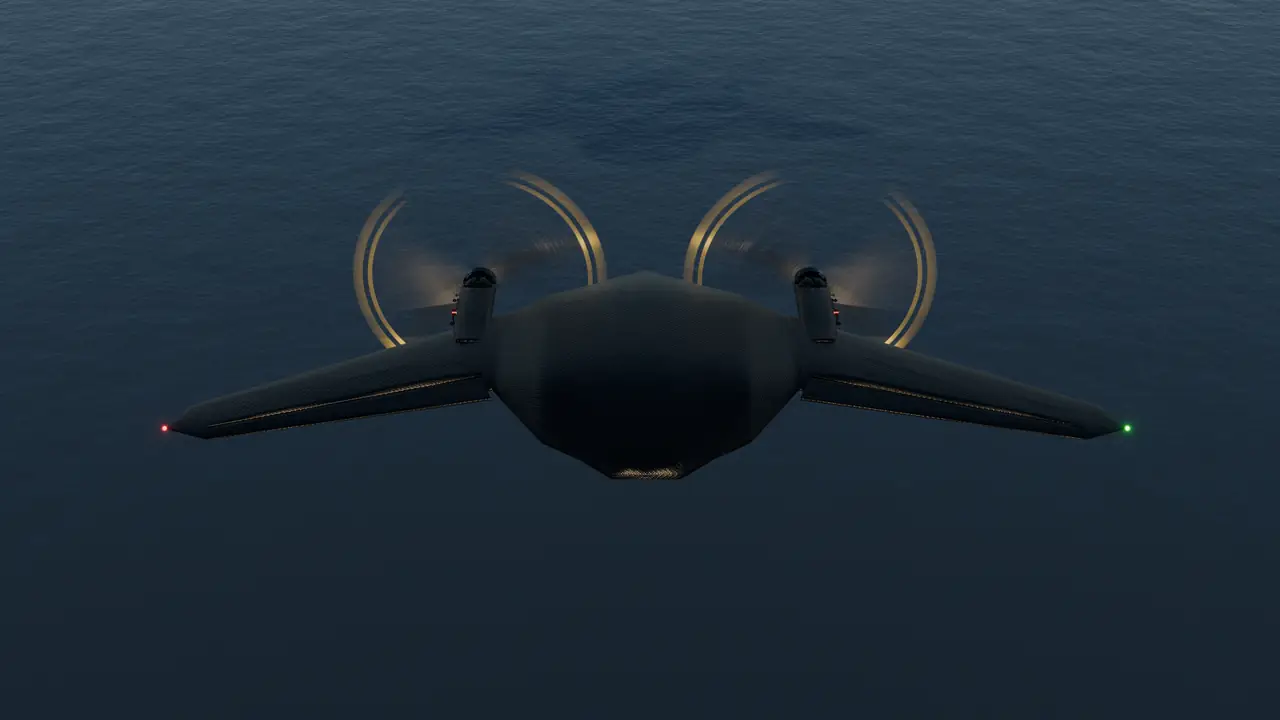
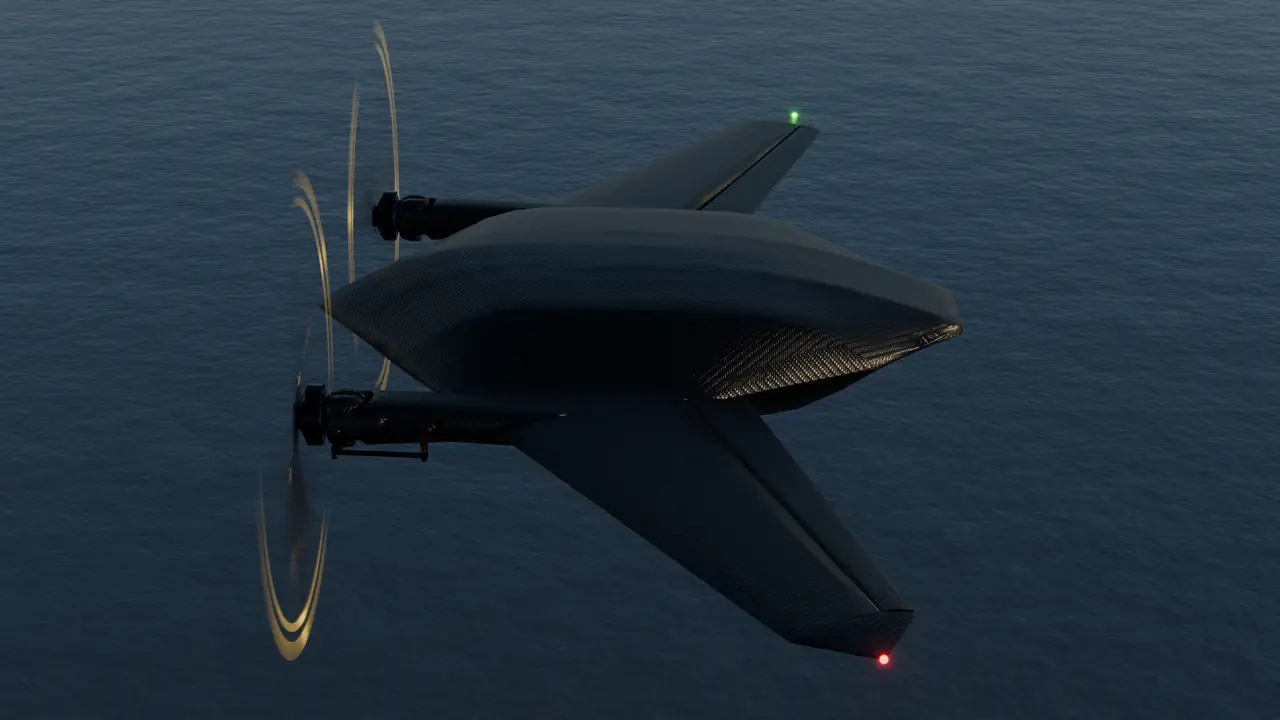
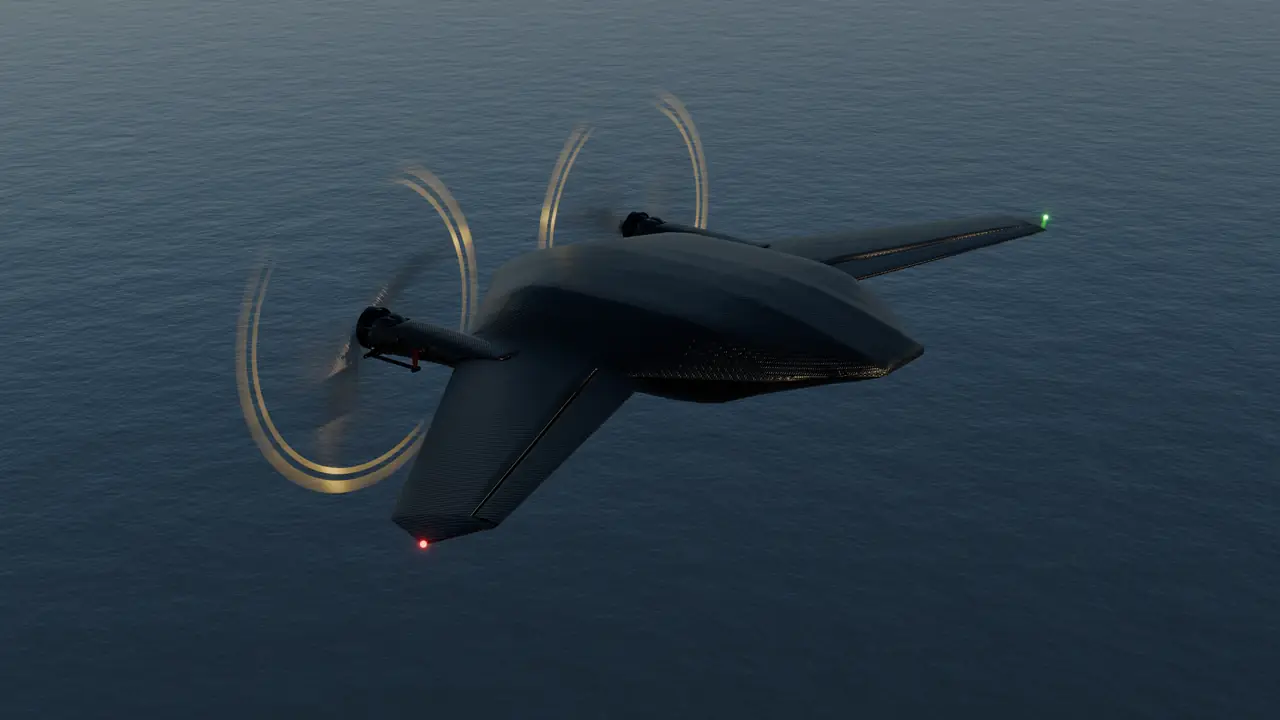
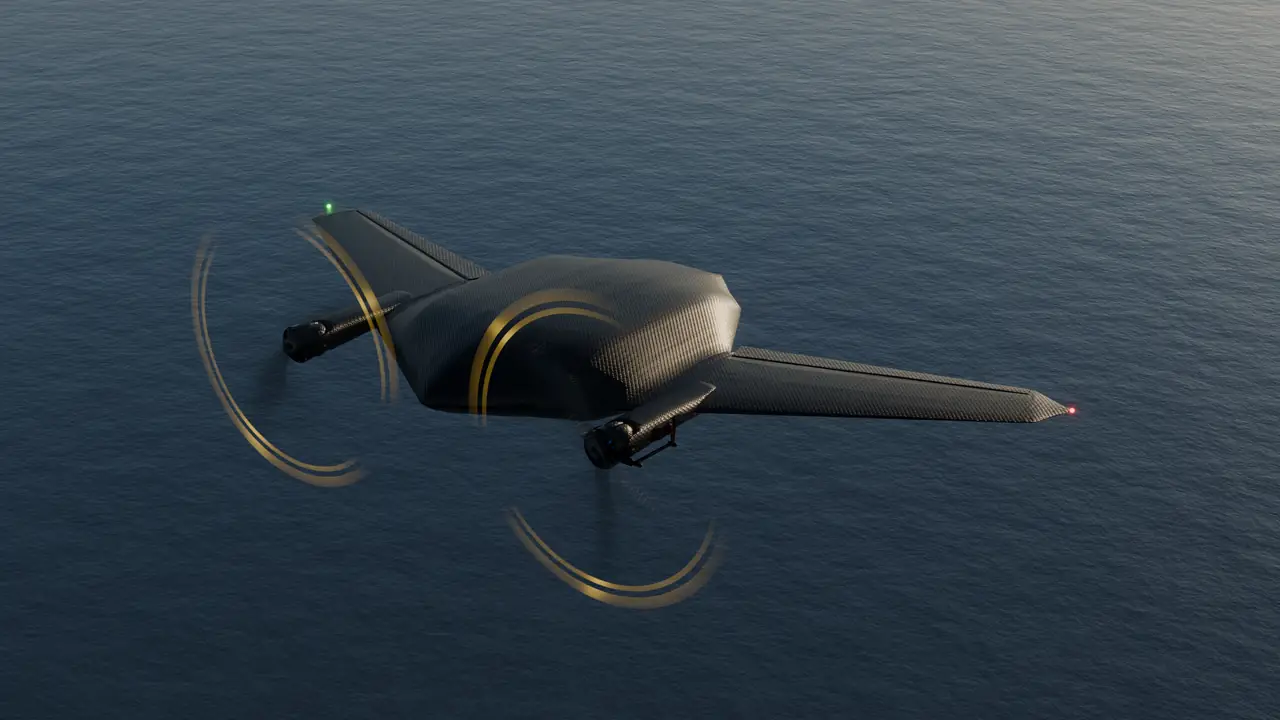
Its rotors lift it off a landing pad the size of a parking space. Its wings then carry it the rest of the way. It needs no runway, and it never sits in traffic.

Pointing up, they lift the aircraft off the ground. Tilted forward, they push it through the air. The same two rotors do both jobs.

There is no separate fuselage, so the whole aircraft helps keep it in the air.

Strong and light, with a sealed space running down its centre. The flight computer is built into the body.

Hospitals are where we start. The same aircraft is designed for places the road cannot reach in time.
Blood and medicines can still reach the clinic on the other side, flown straight over the water.

A field hospital can be resupplied with blood and medicines without sending a vehicle down a dangerous road.

Antivenom, vaccines and samples can travel to and from a remote clinic in minutes, not hours.
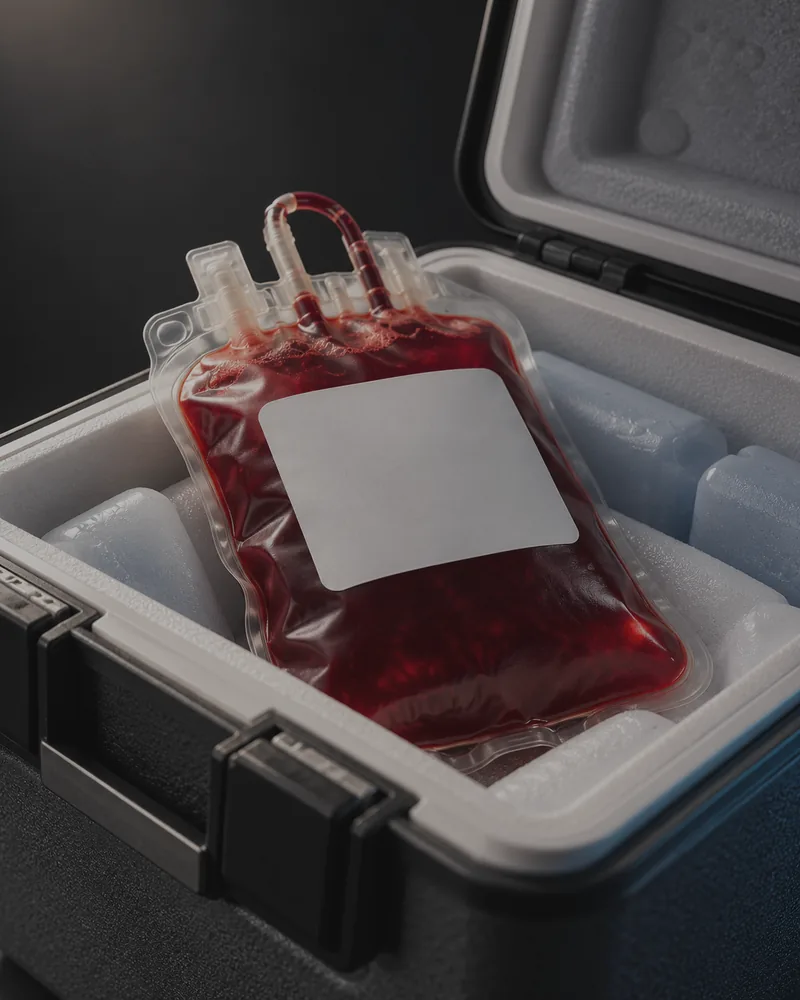
Platelets and red blood cells are often needed at short notice. They must stay within a tight temperature range, and they often travel between sites with no direct road.
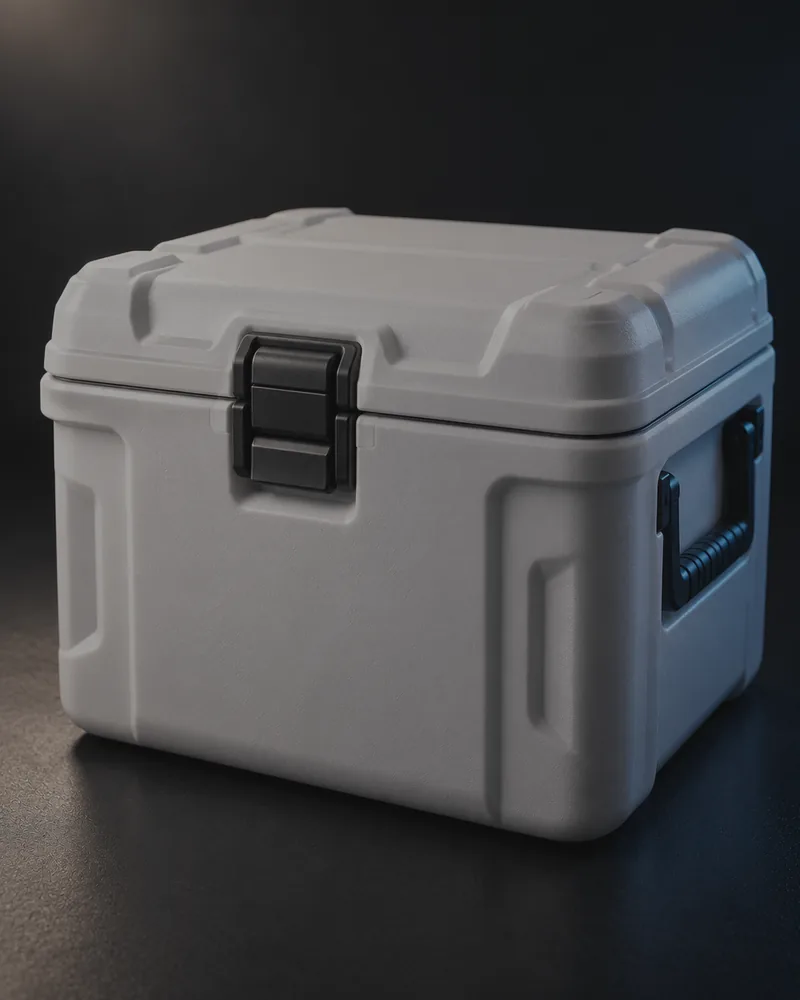
A donor organ stays usable for only a few hours. Too many of those hours are lost in traffic.
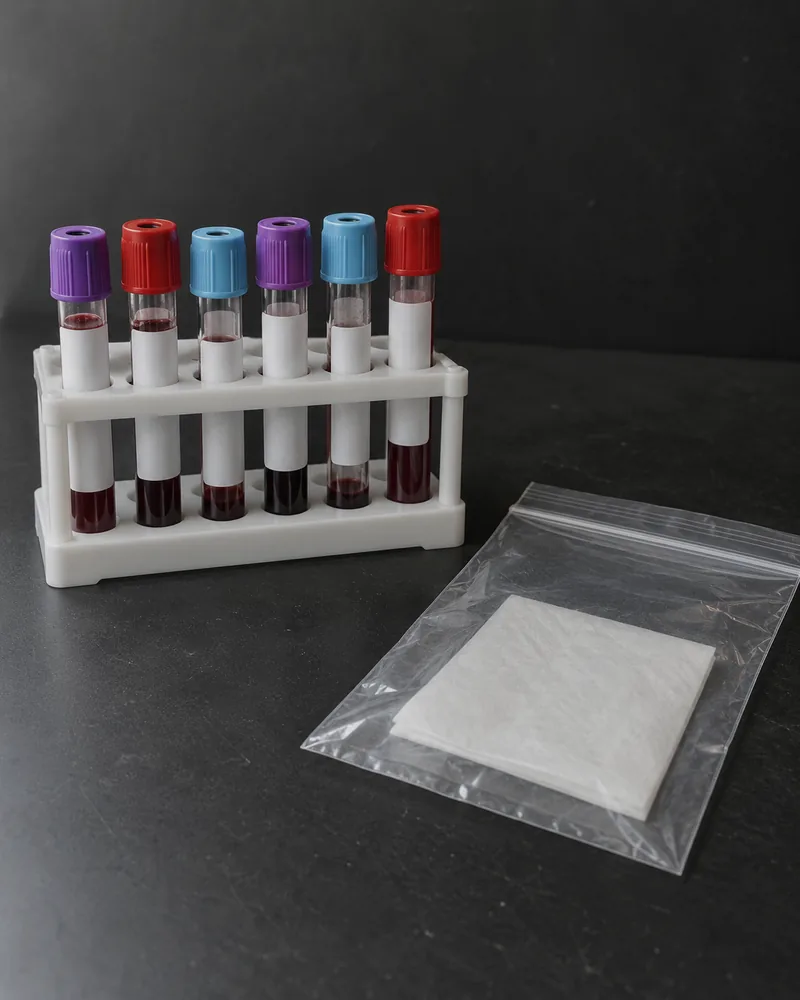
A sample that arrives late has to be taken again, and the patient waits another day for an answer.
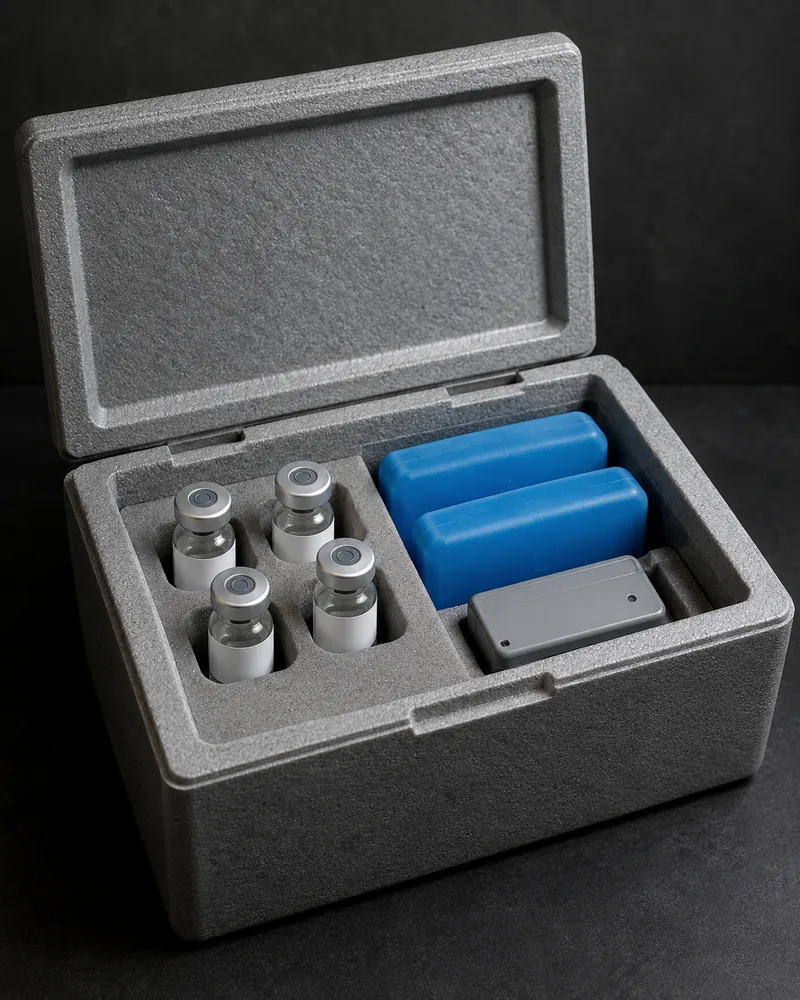
Specialist medicines that must stay at the right temperature from the moment they leave to the moment they arrive.